
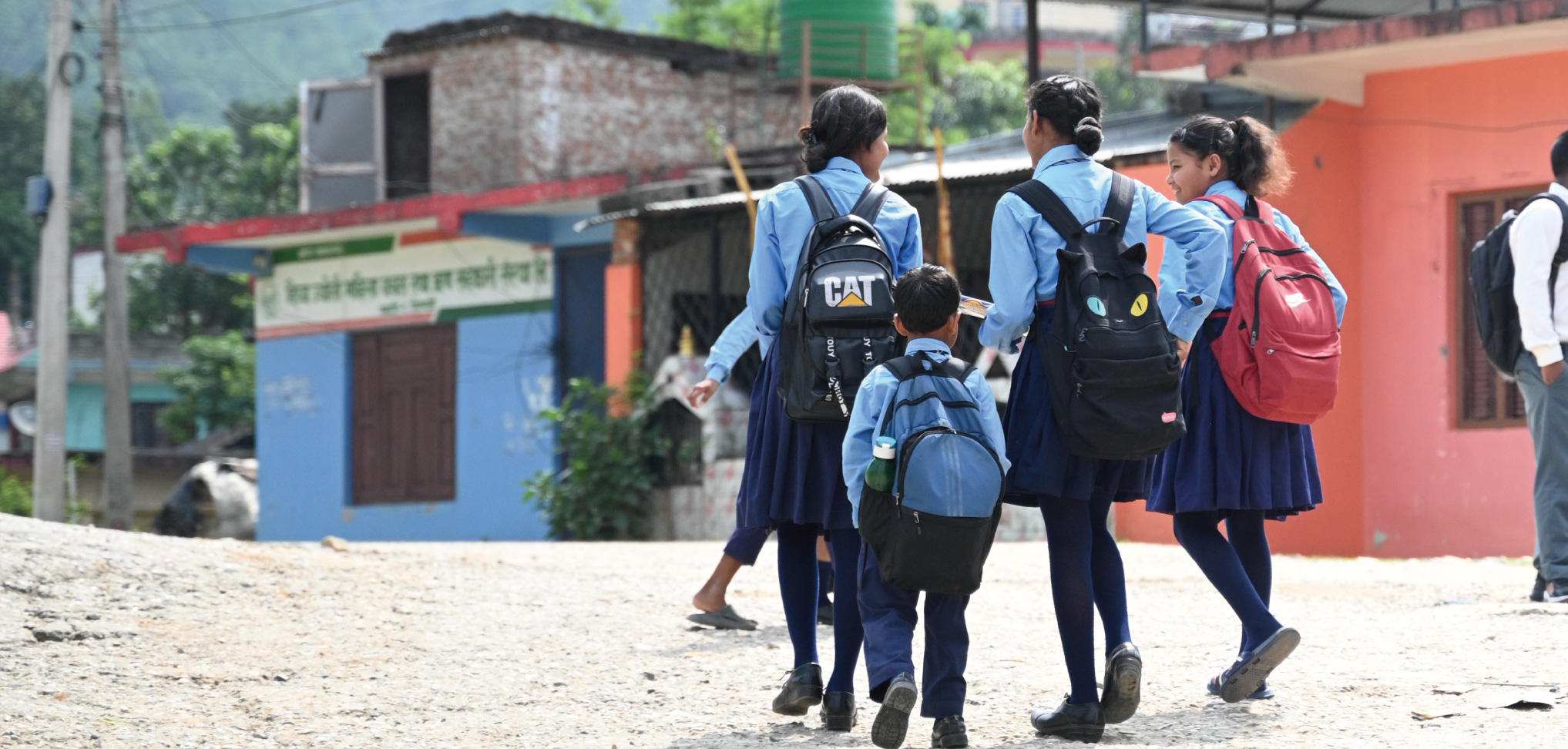
In Nepal, approximately 1.1 million children aged 5–17 are engaged in child labour. Makwanpur District, including Hetauda Sub Metropolitan City and Manahari Rural Municipality, functions both as a source area, from which children are sent to work elsewhere, and as a location for children come and go in search of employment. Ineffective child protection mechanisms in these areas leave children highly vulnerable to exploitation and abuse.
The Underlying Issue
One in six children in Nepal are engaged in child labour. In comparison to the world average, Hetauda Sub Metropolitan City and Manahari Rural Municipality face particular challenges, as their location along major highways makes them both source areas where children leave for urban cities and transit destinations for children searching for work from remote regions. Research and field experience have shown that living in poverty is not the only factor driving child labour. School dropouts, peer and family influence and low awareness about the value of education also push children into work. Limited educational infrastructure and unsafe, or inaccessible school further reduce children’s motivation to attend and remain in school.
*Source: Nepal Child Labour Report (International Labour Organization / Central Bureau of Statistics, Nepal)
SHAPLA NEER’s Approach
SHAPLA NEER works closely with schools, communities and local governments to prevent school dropouts, a major contributing factor, with the aim of reducing child labour in these areas.
We support local authorities in implementing child protection policies under the Children’s Act, and to strengthen child labour monitoring and case management systems, in order to assist families in the high risk demographic to send children into work.
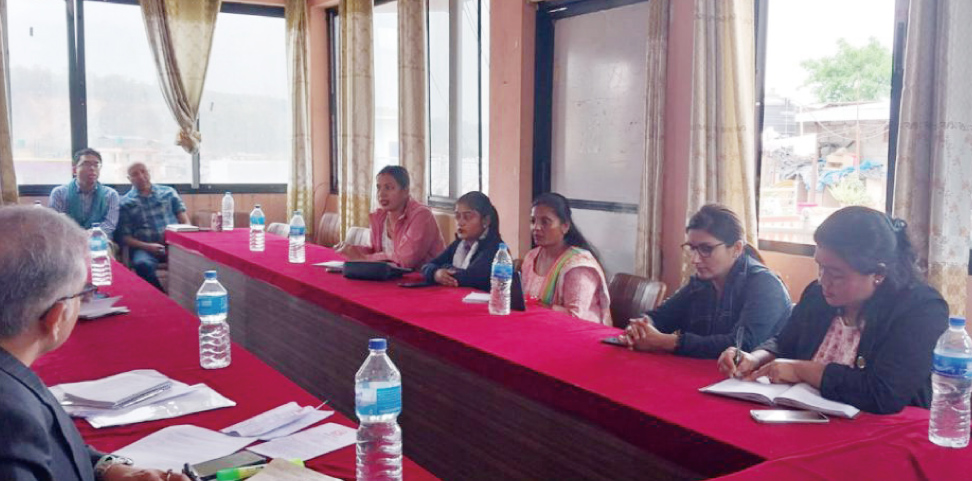
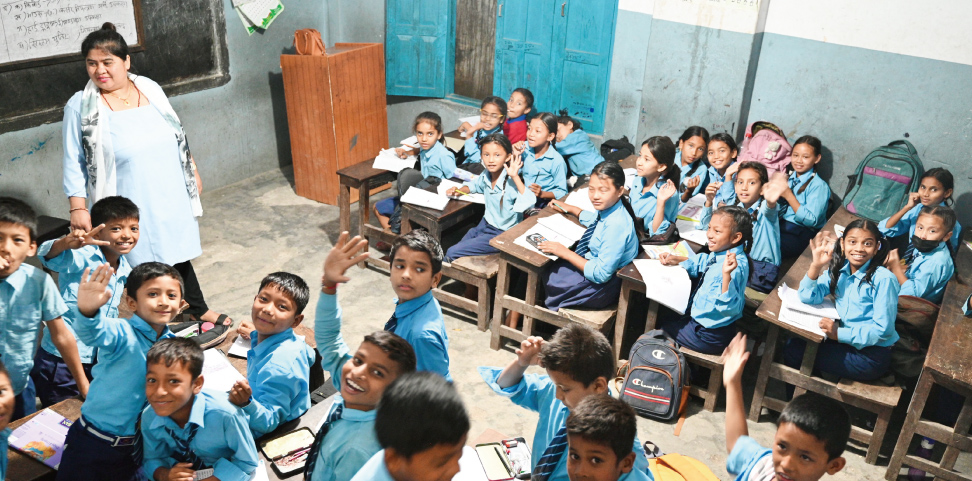
By strengthening the capacity of School Management Committees and school counsellorst, we help ensure children can access and remain in education. We also foster cooperation between families, communities, schools and local governments, to raise awareness of the risks of child labour and promote the importance of education.
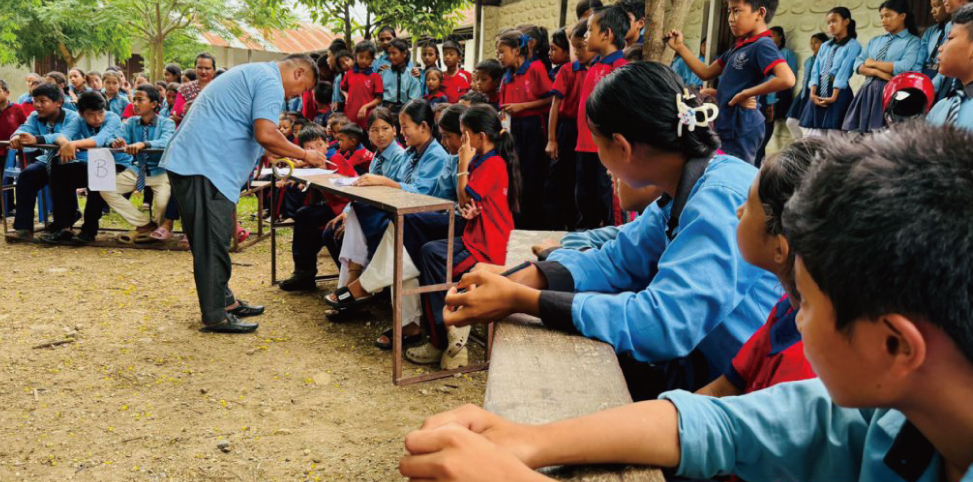
Through tole development committees and child clubs, SHAPLA NEER works to raise awareness of child rights and protection. Methods such as simple comics drawn by local students and community radio broadcasts, are used effectively to inform parents and children about the risk of child labour and the importance of education.
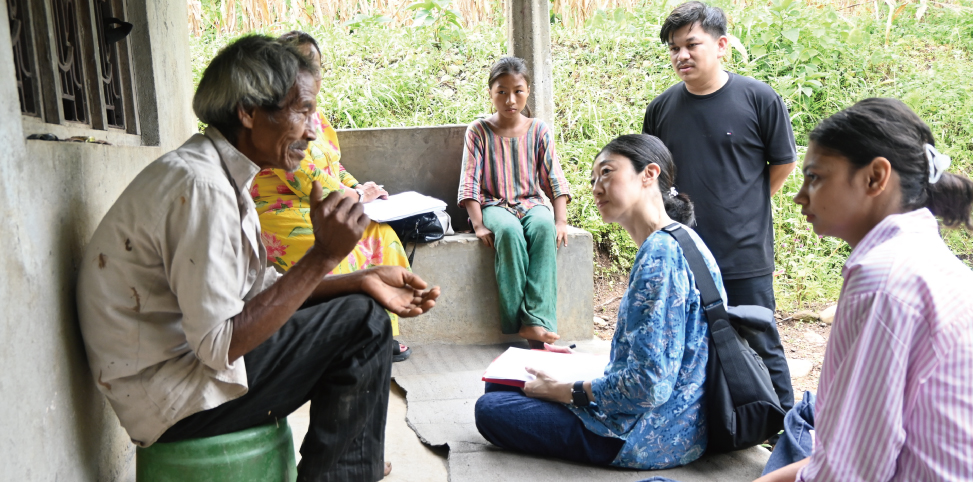
In Hetauda Sub Metropolitan City and Manahari Rural Municipality, SHAPLA NEER surveyed 16156 households and identified 100 children at high risk of entering child labour. Tailored case management support, including educational assistance, livelihood support and follow-up monitoring, is provided based on the specific needs of each household.
Basic Information
| Project site | Manahari Rural Municipality, Hetauda Sub-Metropolitan City, Makwanpur District, Nepal |
|---|---|
| Project duration | March 2024 〜March 2027 |
| Number of beneficiaries | 8000 |
Our Partner Organization
| Name of the organization | CWIN (Child Workers in Nepal Concerned Centre) |
|---|---|
| Number of human resources | 180 (As of April 2025) |
| Summary of the organization | Founded in 1987 by Nepalese university students, the organization registered as an NGO in 1992 and is a pioneer in Nepal in promoting children’s rights. While actively conducting awareness-raising activities and advocating for the expansion of children’s rights, the organization also provides direct support to street children, working children and other children who are in difficult circumstances. |