In Bangladesh, a significant number of girls are engaged in domestic service, working the entire day in private households. Hidden behind closed doors and out of public view, they are deprived of education, protection, and the simple joys of childhood. This isolation puts them at high risk, allowing violations of their rights to continue unnoticed.
Underlying Issue
According to the International Labour Organization (ILO), hundreds of thousands of underage girls in Bangladesh work as domestic workers*.Because their work takes place inside private homes and out of public view, they are often denied adequate food, clothing, shelter and may be exposed to various forms of violence, including sexual abuse.These girls are deprived of education, healthy development and their fundamental rights as children.
* Girl Domestic Worker (GDW): An underage female employed in domestic work, considered a form of child labour.
Girl domestic workers
Many girl domestic workers are forced to work due to their families’ severe financial hardship.
From a young age, they are denied opportunities to attend school or interact with peers which limits their potential to consider, or pursue life paths outside of this work.
Parents and Employers
Many parents and employers do not fully recognise that child labour violates children’s rights.
Employers prefer to hire young girls as domestic workers because they are considered low-cost, obedient and unlikely to raise concerns or disputes within the household.
Parents, influenced by traditional gender norms, often send their daughters to work at a young age, as girls are expected to eventually marry and leave the family home. In contrast, sons are more likely to receive educational opportunities, as they are traditionally considered as the future economic supporters of the household.
Bangladeshi Society
In November 2025, the government announced that domestic workers are to receive legal protection, under the newly amended Labour Act. This marks a major step towards improving labour rights and workplace health and safety. However, children aged 14 and above are still legally allowed to work as domestic workers.
SHAPLA NEER continues to appeal to the government that domestic work should be reclassified as hazardous labour, given the wide range of tasks including cooking, washing and caring for employer’s children, which pose physical, psychological and social risks.
SHAPLA NEER’s Approach
SHAPLA NEER operates support and learning centres in Dhaka, providing girls with basic education and skill development training, such as tailoring and beauty parlor lessons, to empower them for a brighter future.We engage with employers and parents through home visits and awareness programmes , advocating to the government to ensure the Domestic Workers Protection and Welfare Policy, 2015” is fully implemented.In rural areas, young girls are more likely to be sent to the cities for work. Since 2025, we have ran awareness programmes for parents and schools, to help prevent this continuing form of child labour.
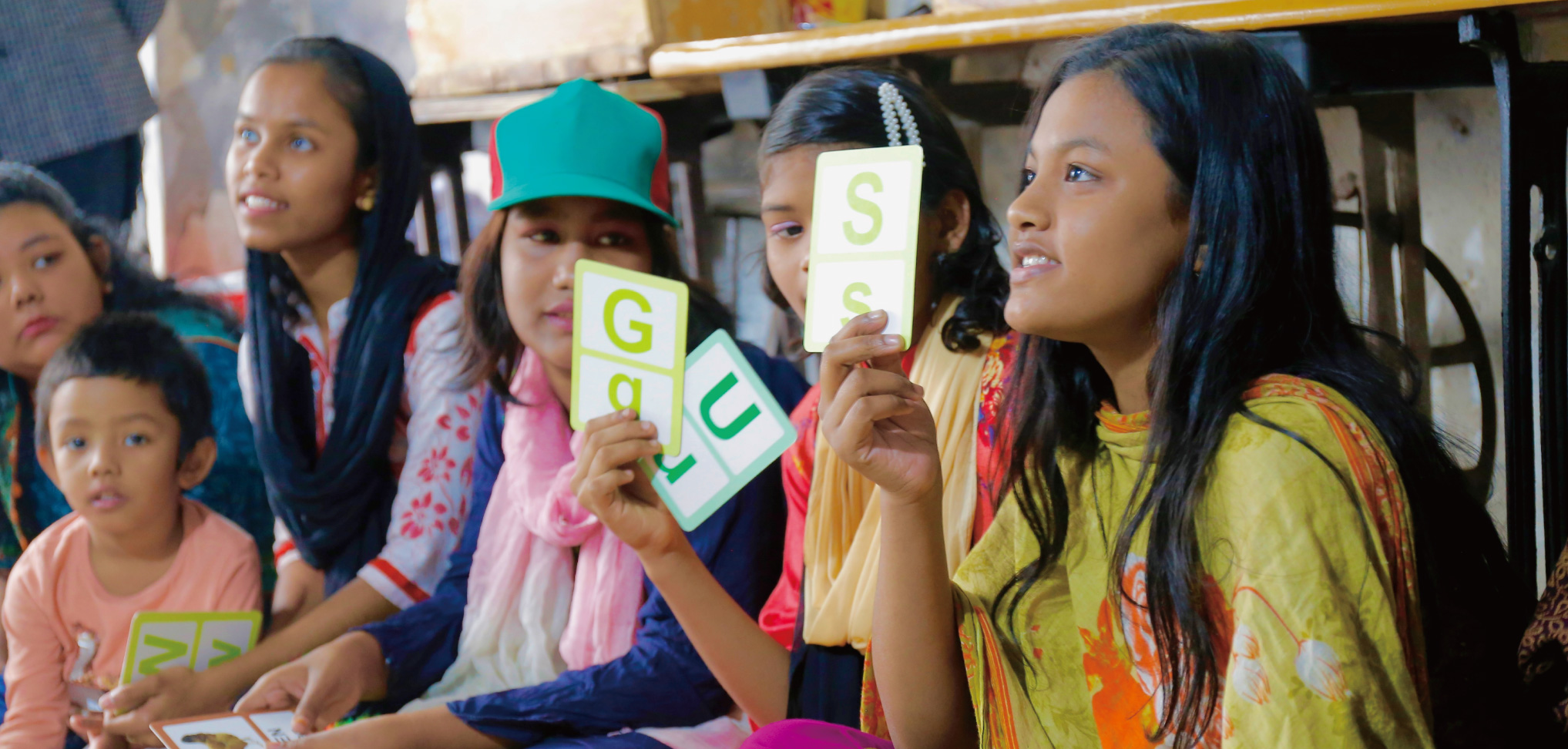
Two learning centres in Dhaka provide non-formal education sessions including Bengali, English, mathmatics, sex education, hygiene education and life skill development training such as sewing and cooking, which reduce the risk of injury and abuse, during domestic employment.Recreational activities such as art, music, dance, sports events and cultural festivals, which give girls the opportunity to explore their talents and develop their potential.
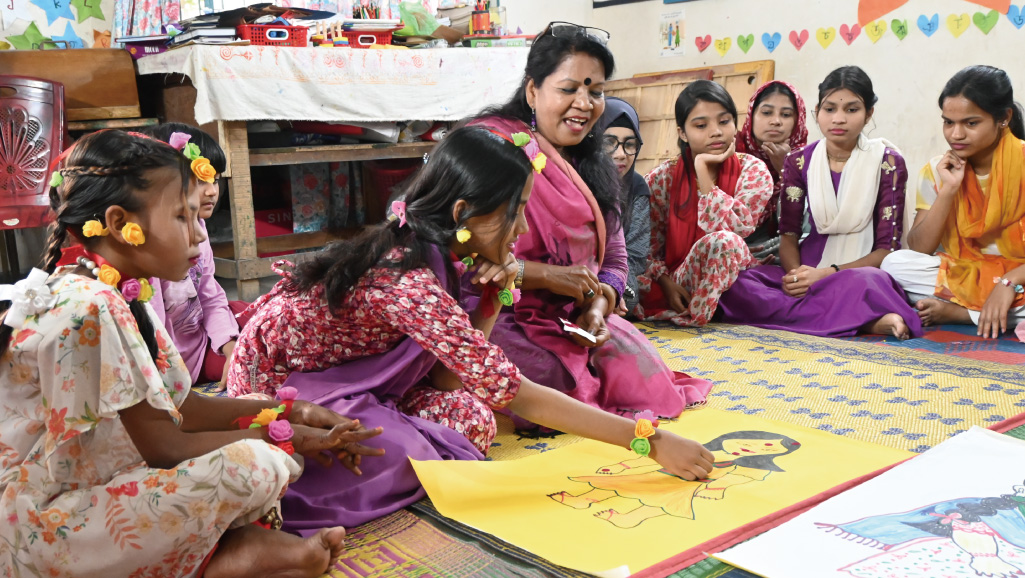
SHAPLA NEER conducts regular visits to employers and home visits to parents especially in slums whereyoung domestic workers live, to monitor working conditions and encourage girls for school enrollment.Through workshops and awareness sessions, we provide families and employers with information about children’s rights, the importance of education and the harmful effects of child labour.
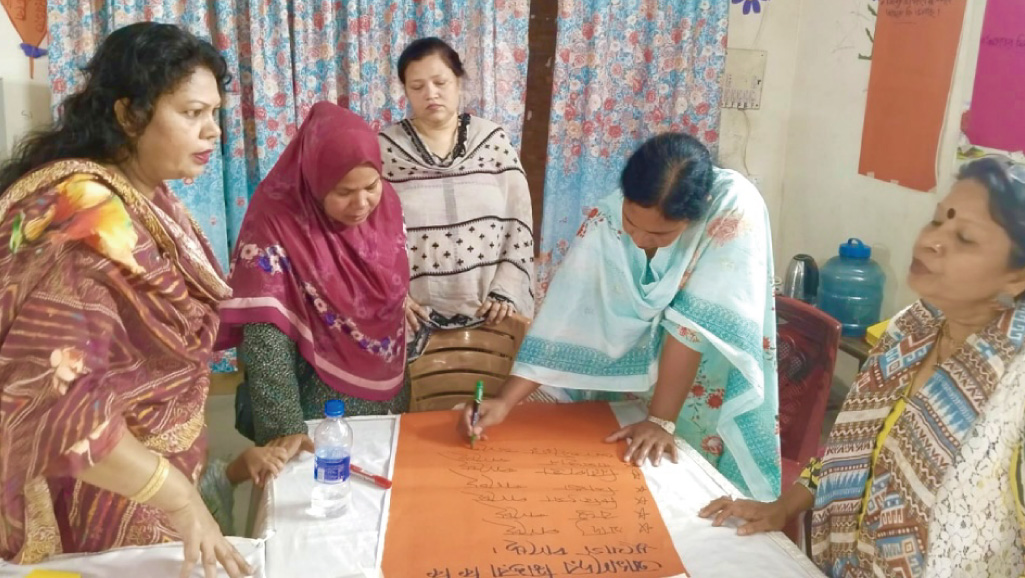
Awareness activities in neighbourhoods, near to our learning centres, aim to highlight the issue of young female domestic workers and discourage employing of children. Workshops on children’s rights and relevant legislation are conducted through Area Management Committees and school campaigns, to inform communities about the rights of underage domestic workers and facilitate their enrollment in schools. In cooperation with the police and local administrative authorities, SHAPLA NEER ensures that cases of abuse against domestic workers are properly reported and addressed in a timely manner.
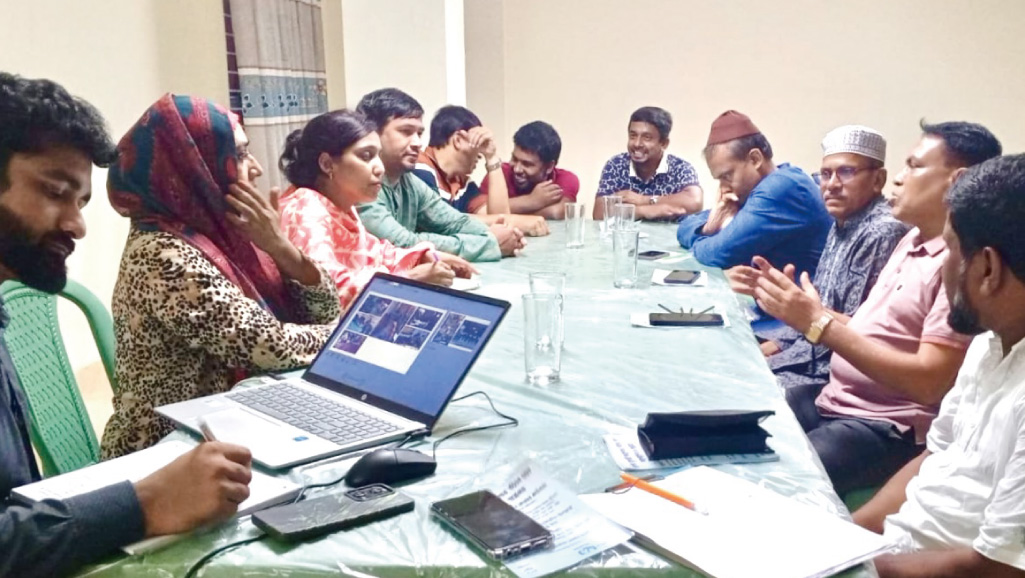
SHAPLA NEER engages in regular visits and workshops with administrative officials, to advocate for the full implementation of the Domestic Worker Protection and Welfare Policy, 2015. We maintain ongoing dialogue with the Ministry of Labour and Employment to ensure that the rights of child domestic workers are recognised, protected and enforced.
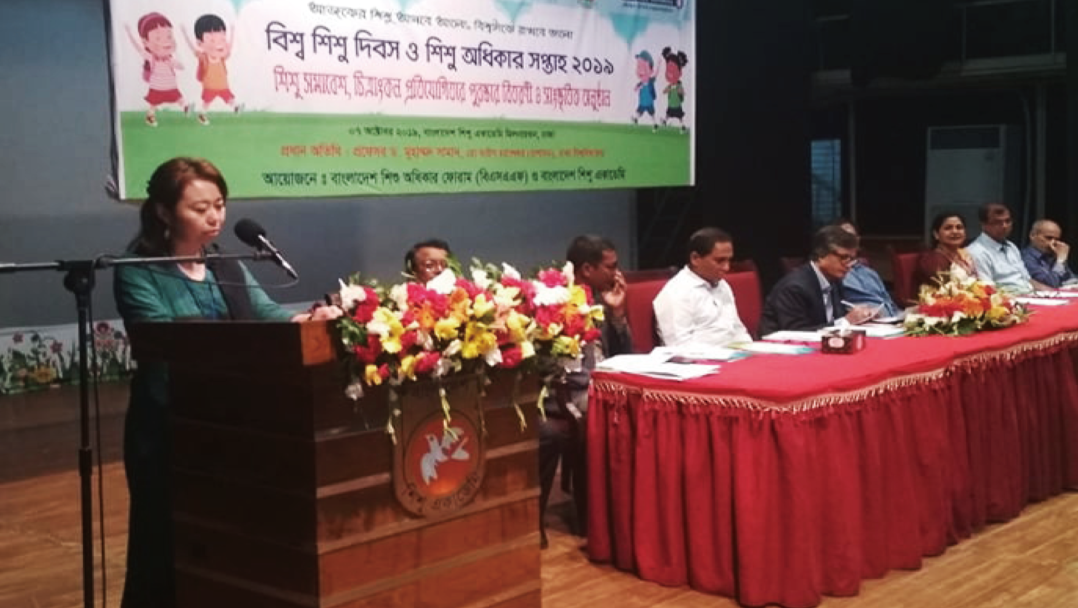
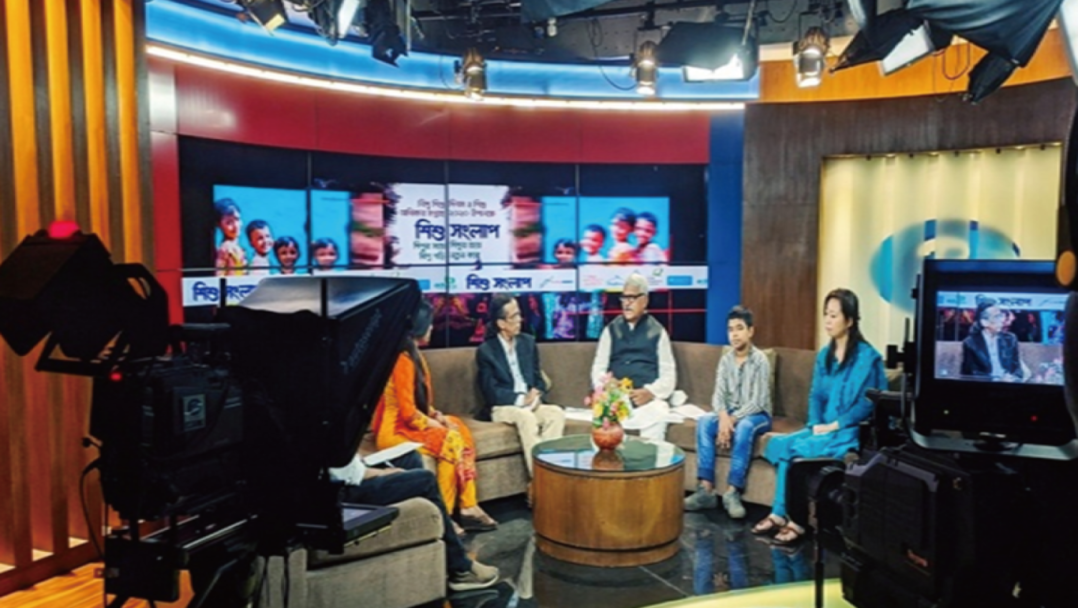
SHAPLA NEER organises symposiums on female underage domestic workers, and build strong networks in conjunction with local NGOs, international organisations and governments.Through strategic media outreach, including newspapers, television and public campaigns, we raise awareness of the prevalence and impact of child domestic labour.In 2024, we established the Child Labour Elimination Platform (CLEP), a national coalition of NGOs committed to eliminating child labour and addressing its root causes accross Bangladesh.
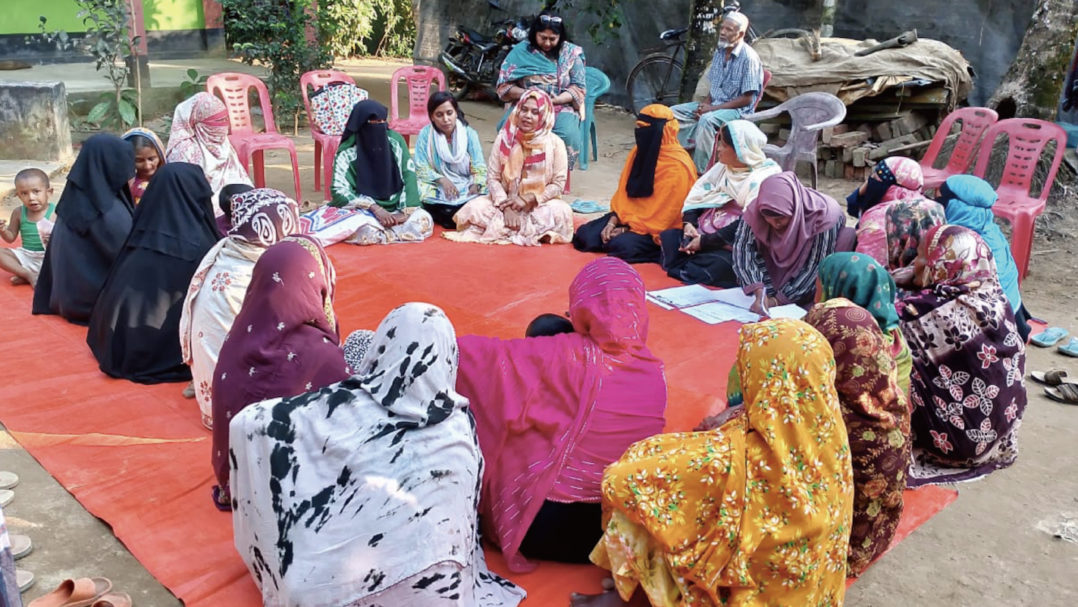
In the rural areas within Mymensingh District, where many girls are sent to the cities for work, SHAPLA NEER raises awareness of child labour among parents, schools and local authorities by providing dropouts prevention programmes and connecting families facing severe financial difficulties to relevant public services.
Basic Information
| Project site | Dhaka city, Bangladesh |
|---|---|
| Project duration | May 2024 〜March 2026 |
| Number of beneficiaries | 2470 |
Our Partner Organization
| Name of the organization | ASD |
|---|---|
| Number of human resources | 120 (As of April 2025) |
| Summary of the organization | ASD is an NGO established in 1988. It initially specialized in support activities in slum areas of Dhaka city. Over time, it gradually expanded its development programs to other cities and rural areas, and currently works across a wide range of fields, including children’s rights, health and nutrition, WASH, and disaster risk reduction. |