Bangladesh is highly vulnerable to cyclones, storm surges and floods.
Although international NGOs frequently provide emergency relief after immediate aftermath of disasters, most withdraw before reconstruction is complete, without the long-term support needed to strengthen disaster preparedness capacities and resilience.
Underlying Issue
SHAPLA NEER has been working on improving cyclone risk reduction since 2010.
However, field observations show that disaster management efforts by local authorities often overlooks gender specific needs, resulting in disproportionate physical and emotional burdens on women and girls, such as limited access to safe bathrooms and long distance to collect water.
SHAPLA NEER’s Approach
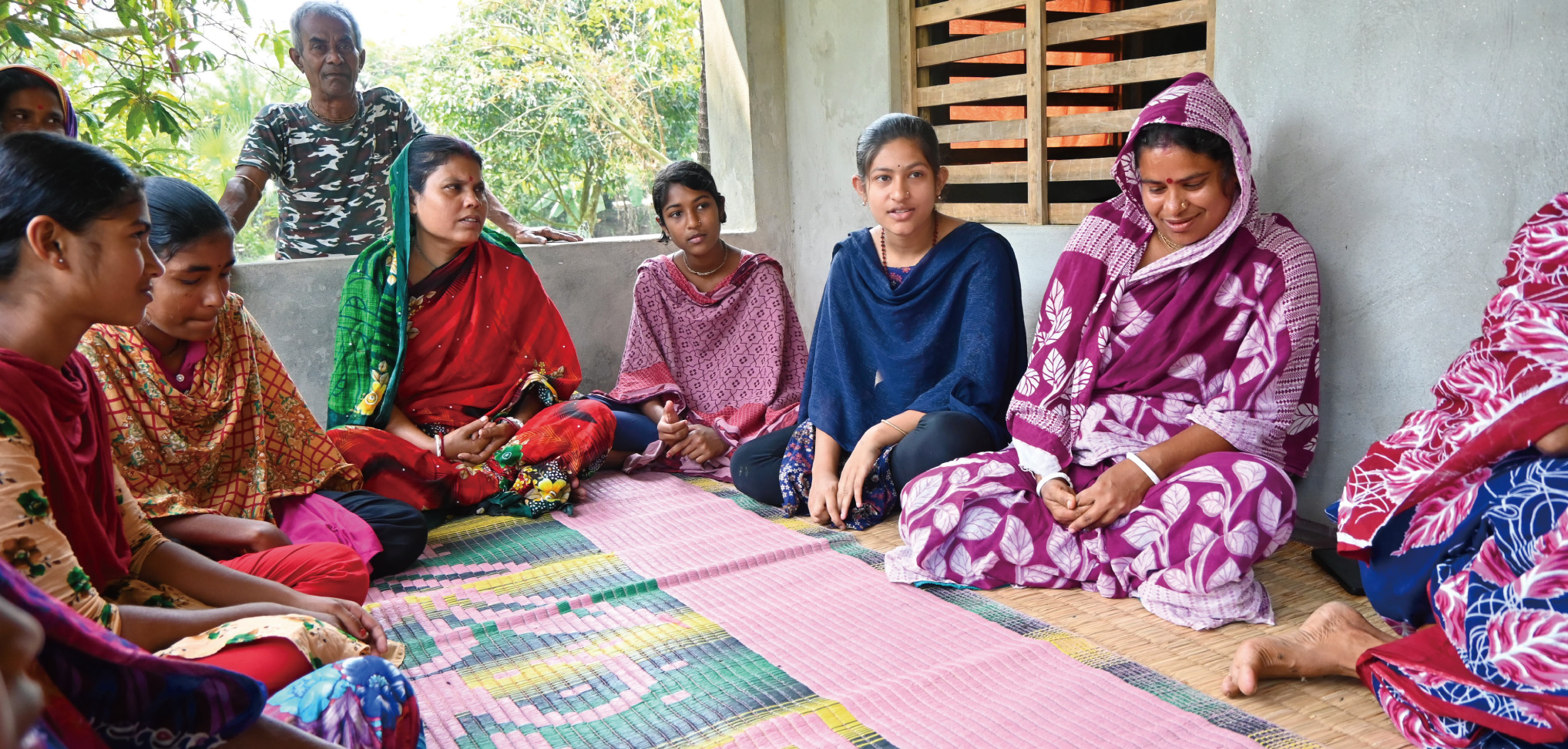
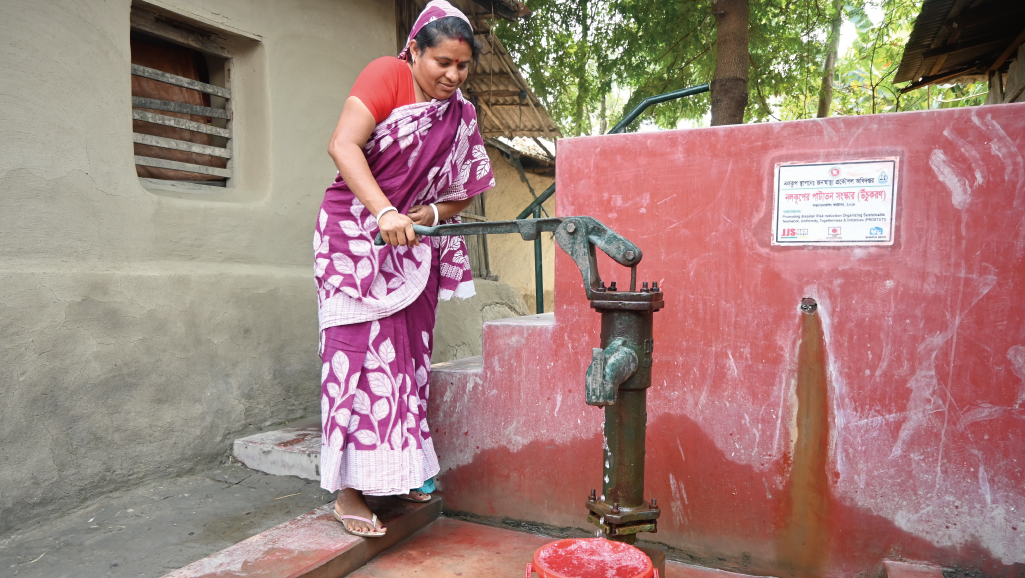
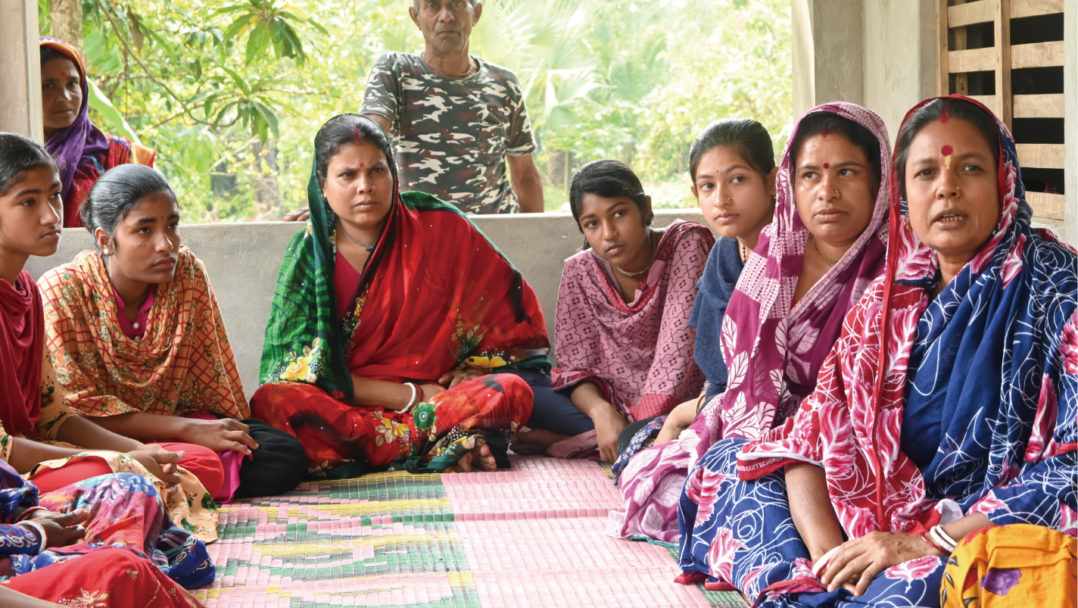
In the Koyra District, Khulna, SHAPLA NEER intergrates gender perspectives into disaster risk reduction through awareness-raising training, evacuation drills excercises and the events, while also improving community infrastructure such as evacuation roads and gender-responsive toilets.
● Activities for Local Communities
Local-level gender awareness activities, combined with community infrastructure improvements, strengthen communities’ capacity to respond to gender specific needs before, during and after disasters.
Local-level gender awareness activities, combined with community infrastructure improvements, strengthen communities’ capacity to respond to gender specific needs before, during and after disasters.
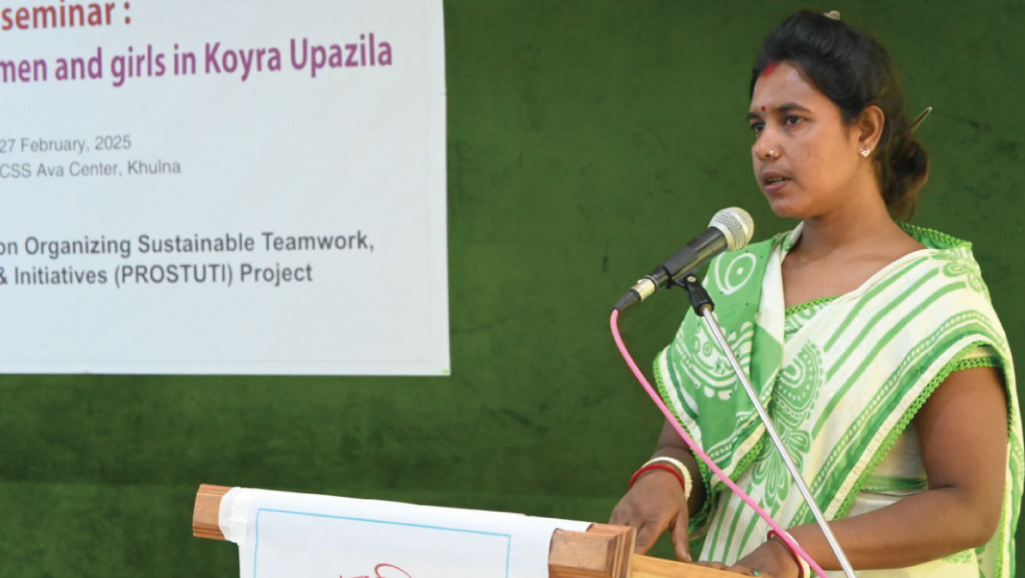
● Activities with Local Governments and DRR authorities
SHAPLA NEER works with disarster risk reduction authorities, by facilitating regular coordination meetings, providing gender-focused seminars and training. This supports the development and improvement of disaster preparedness plans that incorporate gender perspectives.
SHAPLA NEER works with disarster risk reduction authorities, by facilitating regular coordination meetings, providing gender-focused seminars and training. This supports the development and improvement of disaster preparedness plans that incorporate gender perspectives.
● Activities with Civil Society
Through training sessions and regular meetings with civil society organization and community based organizations, SHAPLA NEER promotes the importance of integrating gender perspectives into disaster management.
Through training sessions and regular meetings with civil society organization and community based organizations, SHAPLA NEER promotes the importance of integrating gender perspectives into disaster management.
Basic Information
| Project site | Dakshin Bedkashi Union and Koira Sadar Union, Koira Upazila, Khulna District, Bangladesh |
|---|---|
| Project duration | May 2024 〜April 2026 |
| Number of beneficiaries | 12000 |
Our Partner Organization
| Name of the organization | JJS (Jagrata Juba Shangha) |
|---|---|
| Number of human resources | 120 (As of April 2025) |
| Summary of the organization | JJS is a non-political, non-profit, non-governmental organization that adopts a rights-based approach to environmental and social development. Since 1985, it has been working in both urban and rural areas of the south-west coastal region and is legally registered with the relevant government authorities.Its key focus areas include governance and human rights, climate change adaptation and resilience, disaster risk reduction, WaSH, food security, child rights and protection, and gender mainstreaming and empowerment. JJS works with poor and marginalized communities, women, children, disaster-affected populations, and persons with disabilities. |