



About us

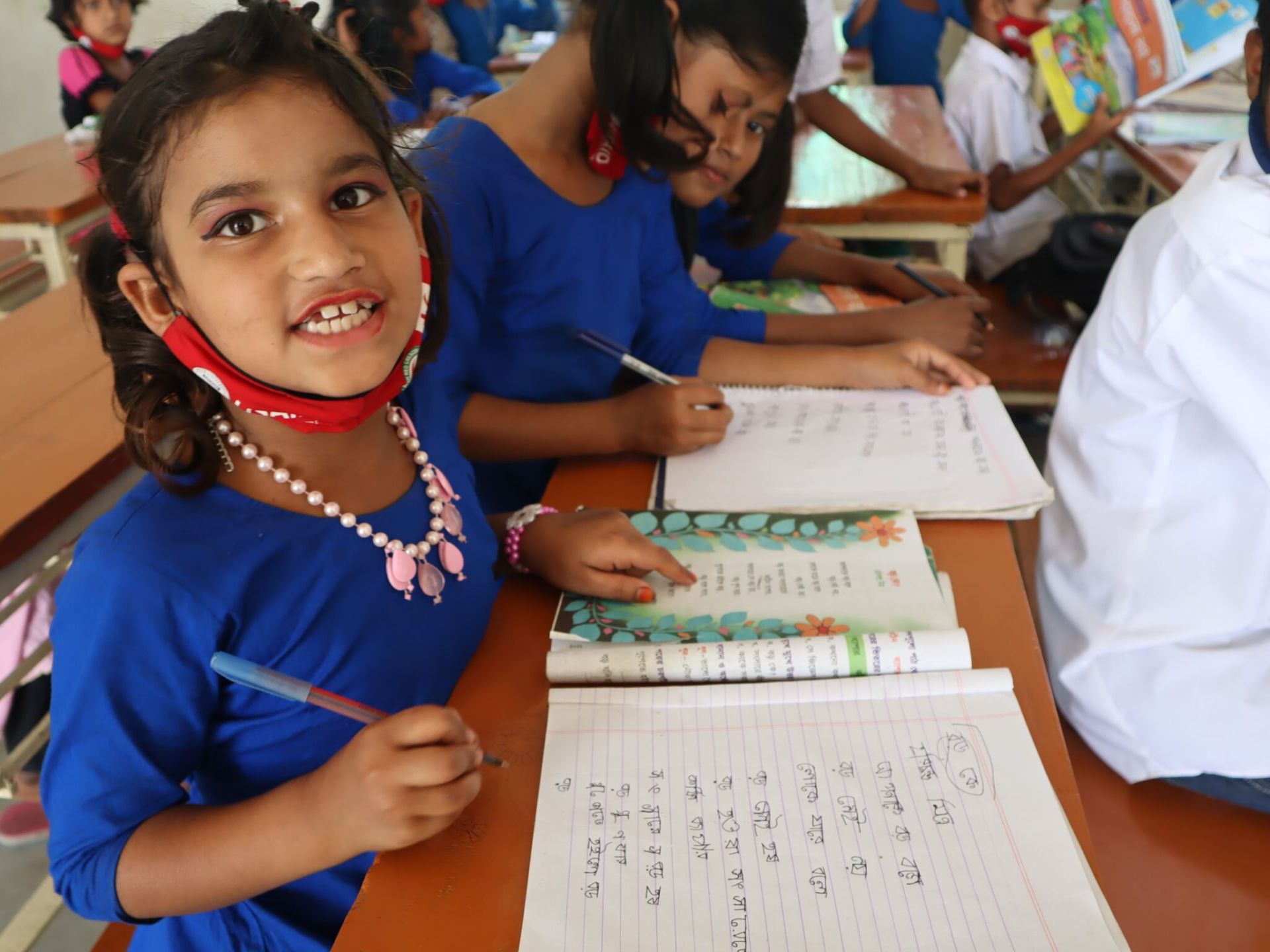
バングラデシュの子どもSHAPLA NEER, a "Citizens' Committee in Japan for Overseas Support" have been working as a voluntary international non-governmental organization for 37 years. We are one of the oldest NGOs established in Japan. SHAPLA NEER means “House of Waterlilies” in Bengal, the native language of Bangladesh. Shapla (waterlily) is also the national flower of Bangladesh.


Mission

Shaplaneer's mission is to improve the living conditions of underprivileged communities in South Asian countries through domestic and international activities and services that focus on solving current socialeconomic issues.

History of SHAPLA NEER

バングラデシュ復興農業奉仕団SHAPLA NEER has been working as a voluntary non-governmental organization for 30 years.

In the spring of 1972, 50 members of Japanese youth volunteers, who were the delegation for agricultural rehabilitation program in Bangladesh, were dispatched to the country which had been independent from Pakistan the previous year.

街頭募金The young Japanese volunteers had to face the reality of assistance to Bangladesh. Only the rich were able to enjoy their life given by the aid, while the poor - who accounted for the most part of the nation - were beyond the reach of it. However, at the same time, the delegations were attracted a lot by the beauties of the nature and warm-hearted people in that country.

最初の失敗~ノートと鉛筆の話~They returned to Japan after 4 months activity in Bangladesh. The valuable experience in the country made them consider the ways really helpful to all the Bangladeshis. As a result, they founded "Help Bangladesh Committee (HBC)" to continue their activities. HBC is the former organization of SHAPLA NEER.


駐在生活のはじまり~日本人が主役の支援活動という失敗~After collecting contributions on the street for some time in Japan, HBC established a local office in Dhaka in July, 1974. They named the office "SHAPLA NEER"(house of water lily). They set the central stage for their volunteer activities at Poyla village in Manikganj. District. And several Japanese lived and started projects for the rural community. Their main role in the village was to promote group activities for local women and produce handicrafts. They also organized evening classes for adults and open-air classes for children.


直接アプローチへの転換~スタッフのサラリーマン化という失敗~However there was a sad incident that two employees assigned to the Poyla office were assaulted by about 10 robbers and seriously injured. The HBC members had to reconsider how their assistance should be in the country.

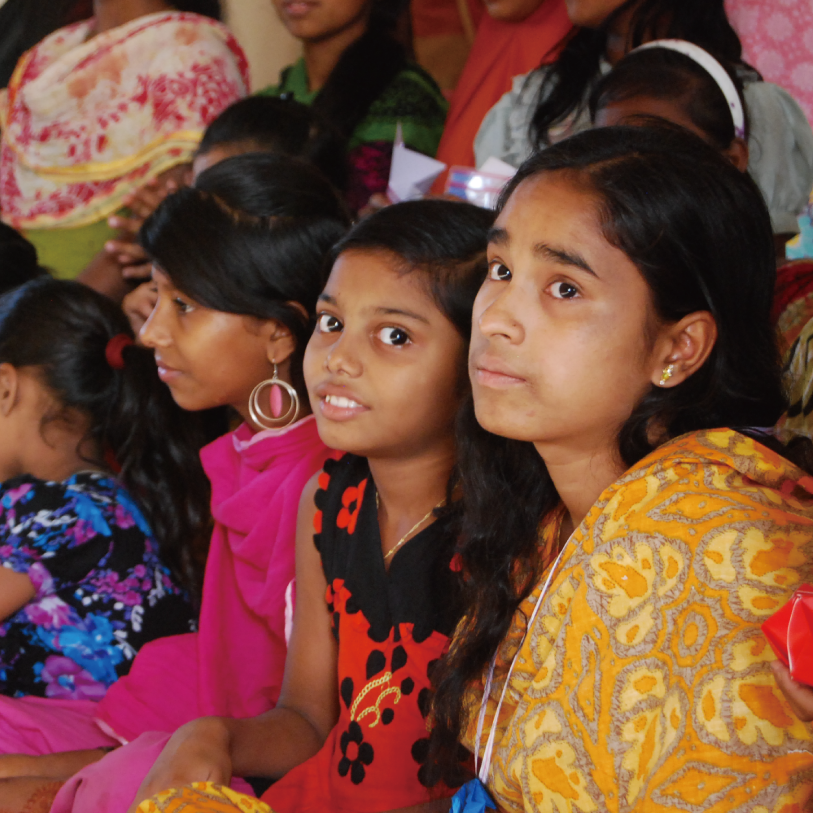
They thought that it was better for them to discontinue the activities at Poyla. In 1980, after having a long discussion on this matter, they decided to start working in the country again with taking other measures. The new activity came to be the current "Samity" strategy. This was to cooperate with local groups which were formed by poor villagers to improve their living jointly. In 1982, they started adult literacy program where villagers who were mostly illiterate had chance to learn how to read and write. It became one of HBC's core activities there. Since then they had evolved various programs for supporting samity members and families to improve their life in many aspects.

日本のNGOとして、南アジアで何ができるかIn 1983, HBC changed its name into "SHAPLA NEER = Citizens' Committee in Japan for overseas Support".

In 1995, SHAPLA NEER started the projects in Nepal chosen as a new country for our support.


1971 Independence of Bangladesh
1972 Establishment of the Help Bangladesh Committee (predecessor of SHAPLA NEER)
1980 Start of the mutual support group activities for life improvement
1982 Establishment of an adult literacy class
(30,000 people had graduated from the class by the year 1997)
1985 Winning the Yosikawa Eiji cultural award
1988 Enforcement of the emergency aids and the restoration activities for the big flood in Bangladesh
1989 Winning the human rights award of Tokyo Lawyers Association
1990 Start loaning to the Income Improvement Program
1991 Enforcement of the emergency aids and the restoration activities for the disaster by cyclone
1992 Enforcement of the emergency aids activities for refugees in Myanmar
1993 Winning the award of Mainichi international exchanges
1994 Dispatch of the long-term investigators to Nepal
1995 Start of the activities in Nepal
1998 Enforcement of the emergency aids and the restoration activities for the big flood in Bangladesh
2000 Start activity for street children in Bangladesh
2001 Support relief and rehabilitation activities in Gujarat, India for earthquake victims
2001 Granted a corporate status from the Tokyo Metropolitan Government
2001 Support relief activities in Afghanistan for internal displaced persons through NOVIB
  • Projects in Bangladesh
  • Projects in Nepal
  • Relief Operation
  • Craft Link
  • Activities in Japan